Why Is My Water Bill So High? A Plumber's Checklist for Lehi Homeowners
Getting a water bill that's $50 or $100 higher than usual is frustrating, especially when nothing feels different about your daily routine. We get calls about this all the time from homeowners across Lehi, Saratoga Springs, and the rest of Utah County.
The truth is, most sudden spikes in water bills come from one of a handful of common problems. And in many cases, the fix is simpler than you'd expect. This checklist walks you through exactly where to look and what to do about it.
Why Lehi Homeowners See Higher Water Bills Than Average
Before we get into the checklist, it helps to understand the local context. Lehi City water comes from a mix of groundwater and surface water sources, and like most of Utah County, it's considered
hard water, meaning it has a high mineral content, particularly calcium and magnesium.
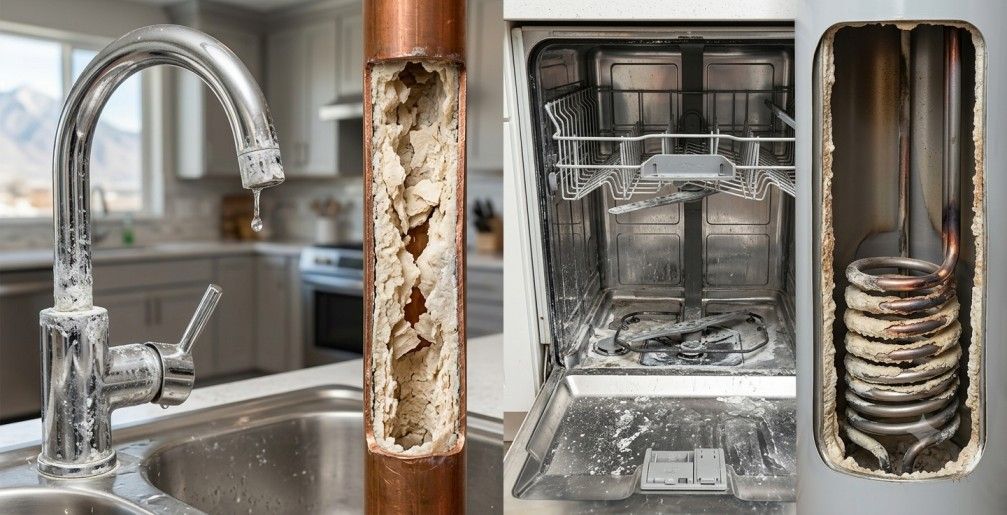
Hard water does two things that quietly drive up your water bill over time. First, it leaves scale buildup inside your pipes and appliances, reducing flow efficiency and making water heaters work harder. Second, it causes fixtures and seals to wear out faster, leading to small leaks that go unnoticed for weeks or months.
On top of that, Utah's dry climate means most households use significantly more water outdoors from April through September. Lehi City's tiered water rate structure means your cost per gallon goes up once you cross certain usage thresholds - so even a small jump in consumption can cause a surprisingly large jump in your bill.
All of that is to say: if your bill went up, there's almost always a specific reason. Let's find it.
The Plumber's Checklist: Where to Start
1. Check Your Toilets First — They're the #1 Culprit
Running toilets are responsible for more unexplained water bill spikes than almost anything else. What makes them tricky is that they're often completely silent. You won't hear dripping or see water on the floor. The water just slowly leaks from the tank into the bowl and drains away undetected.
A toilet with a faulty flapper the rubber seal at the bottom of the tank, can waste between 20 and 200 gallons of water per day. That's up to 6,000 gallons a month from a single toilet.
Here's a quick way to check: Put a few drops of food coloring into the toilet tank and wait 15 minutes without flushing. If color shows up in the bowl, you have a leak. The fix is usually a $10–$15 flapper replacement, which you can pick up at any hardware store or have a plumber handle in minutes.
Also check the fill valve. If you hear the tank running periodically even when no one has flushed, the fill valve may be slowly letting water escape over the overflow tube.
2. Look for Dripping Faucets and Showerheads
A faucet that drips once per second wastes about 3,000 gallons per year. That's not a small number. And if you have multiple dripping faucets — which is common in older homes with worn washers — the total adds up fast.
Walk through your home and check every faucet: kitchen, bathrooms, utility sink, and outdoor spigots. Turn them off fully and watch for a few seconds. Even a slow, occasional drip means the washer or cartridge inside needs to be replaced.
Showerheads are worth checking too. They don't drip in the traditional sense, but a showerhead with a worn seal can lose significant water even when you think it's fully off.
3. Inspect Your Outdoor Irrigation System
For most Lehi homeowners, outdoor watering is the single largest water expense from May through August. And irrigation systems are surprisingly prone to leaks that go unnoticed because they run early in the morning when no one's watching.
Walk your yard after your irrigation system runs and look for:
- Puddles forming where they shouldn't
- Uneven or soggy patches in the lawn
- Sprinkler heads spraying sideways, toward the house, or not retracting fully
- Drip line connections that have come loose
A single broken sprinkler head can spray 10–20 gallons per minute directly onto your driveway or soil without ever reaching a plant. Over a 20-minute watering cycle, that's 200+ gallons wasted per day.
Also check how often your system is programmed to run. Lehi averages less than 13 inches of rainfall per year, so irrigation is necessary. But after a period of rain, many systems just keep running on their automatic schedule rather than adjusting. Consider upgrading to a smart controller that adjusts based on local weather data it typically pays for itself within a season.
4. Check Your Water Meter for Hidden Leaks
This is one of the most reliable ways to spot a leak you can't find visually. Here's how to do it:
- Turn off every water-using appliance and fixture in your home.
- Go to your water meter (usually near the street or sidewalk).
- Note the reading and walk away for 30 minutes — don't use any water.
- Come back and check the reading again.
If the numbers moved, water is being used somewhere in your home even though everything is off. That's a leak. This test can detect anything from a slow toilet flapper to a small pipe leak under a slab.
If the meter is moving but you can't find the source, that's when it's time to call a plumber for a proper leak detection check. We use acoustic listening equipment and pressure testing to find leaks behind walls, under floors, and underground — without tearing anything apart unnecessarily.
5. Inspect Your Water Heater
Water heaters are one of the most overlooked sources of water loss in a home. A small leak around the pressure relief valve, the drain valve, or the tank connections can drip continuously for months without being noticed, especially if the heater is tucked away in a utility room or garage.
Check the area around the base of your water heater for moisture, rust stains, or mineral deposits. Even a damp ring on the floor is worth investigating. Also look at the connections going into the top of the unit.
In Utah County, hard water accelerates tank corrosion, so older units, anything over 8–10 years — are especially prone to developing slow leaks. If you're seeing signs of leakage, don't wait. A failing water heater can cause significant floor and structural damage quickly once a seal fully lets go. Our team handles water heater repair and replacement in Lehi and can usually diagnose the issue on the same day.
6. Check Your Washing Machine and Dishwasher
Household appliances that use water can develop slow leaks at their hose connections that are easy to miss. Pull your washing machine away from the wall and check the hose connections at the back, both at the machine and at the wall valve. Look for moisture, corrosion, or white mineral deposits, which indicate a slow drip.
For dishwashers, check the area under and around the door seal. A worn door gasket can leak small amounts of water during every wash cycle.
Also consider usage habits. If someone in the household has been running more loads of laundry or the dishwasher is running twice a day instead of once, that alone can bump usage enough to trigger a higher billing tier with Lehi City water.
7. Look for Signs of Cracked or Aging Pipes
Older homes in Lehi — particularly those built before 2000 may still have galvanized steel pipes, which corrode from the inside out over time. As they corrode, the interior diameter narrows, water pressure drops, and small cracks can develop.
Watch for these warning signs:
- Water pressure that seems lower than usual at certain fixtures
- Discolored or rust-tinted water, especially when first turning on a tap
- Unexplained damp spots on walls, ceilings, or floors
- A musty smell in rooms with plumbing behind the walls
If you're seeing any of these, don't ignore them. A slow pipe leak inside a wall can cause mold growth within 24–48 hours of moisture exposure, and the remediation cost is usually far higher than the original plumbing repair.
8. Review Your Water Usage Habits
Sometimes the answer is simpler than a leak. Think back to the billing period when your bill jumped:
- Did someone fill a swimming pool, hot tub, or large inflatable pool?
- Did guests stay for a week or two?
- Did you water the lawn more frequently than usual during a dry spell?
- Was a sprinkler left running by accident?
These situational increases are easy to overlook. If you can point to a specific event, that's likely your answer — and your next bill should return to normal on its own.
If you can't identify anything unusual, that's when the checklist above becomes important. Something is using water that shouldn't be.
When to Call a Plumber in Lehi
You can handle some of these checks yourself — toilet dye tests, visual inspections, and reviewing your irrigation schedule are all DIY-friendly. But if your meter is moving with everything off, you're seeing signs of moisture behind walls, or your water heater is showing any signs of leaking, it's time to call a professional.
At S&L Plumbing Co. LLC, we work with homeowners across Lehi, Orem, and Provo every week on exactly these kinds of issues. We know the local water quality, the common pipe types in Utah County homes, and how Lehi City's water system behaves — all of which helps us find problems faster and fix them right.
Give us a call at (385) 250-8900 or book an appointment online. We'll come out, walk through the checklist with you, and find the source of the problem, no guesswork.
Why Local Experience Matters In Lehi and Utah County
Homeowners often face plumbing problems due to the changing climate. Some of the challenges residents face are as follows:
- Hard water affects pipes and appliances
- Freezing temperatures cause pipes to crack
- Local factors increase water bill
Hiring a professional can ensure better performance of your plumbing system. They understand local conditions and offer solutions according to that. For instance, if your water heater is not functioning well, you can call a
professional water heater repair service for faster identification of the problem.
Conclusion
A high water bill often indicates that some components are not working properly. If you are still wondering, 'Why is my water bill so high?' it is time to call an expert. This is where S&L Plumbing Co. LLC can help. Their team has years of hands-on experience in handling any plumbing issues from leaking water heater Lehi residents deal with to full inspections.
S&L Plumbing Co. LLC offers the following advantages:
- Approach each job with care
- Give attention to detail
- Track down hidden leaks
- Focus on doing the job right
Contact them to ensure your plumbing system is in safe hands and enjoy peace of mind.
FAQs
1.Why did my water bill suddenly double?
A sudden spike almost always means a new leak has developed somewhere — most commonly a running toilet, a broken irrigation head, or a failing water heater seal. Start with the toilet dye test and water meter check described above.
2. Can a running toilet really cause a $100 increase in my water bill?
Yes, easily. A toilet with a worn flapper can waste 200 gallons per day. At Lehi City's rates — especially once you hit the second usage tier — that can add $80–$150 to a single month's bill.
3. How do I know if I have a slab leak?
Signs include warm spots on the floor, the sound of running water when nothing is in use, and your meter moving with all fixtures off. Slab leaks require professional detection equipment. Don't delay — they get more expensive the longer they go undetected.
4. Is hard water making my bills higher?
Indirectly, yes. Hard water causes scale buildup in water heaters, making them run longer and use more energy. It also wears out rubber seals faster, increasing the likelihood of small leaks. A water softener can help, especially in Utah County where water hardness levels are consistently high.
5. How quickly can S&L Plumbing Co. come out?
We typically offer same-day or next-day appointments for leak diagnostics in Lehi and surrounding areas. Call us at (385) 250-8900 to schedule.
Follow our social media pages below:
Need help finding hidden leaks or help with any plumbing issues?
Ready to work with S&L Plumbing Co?
Let's connect! We’re here to help.
Send us a message and we’ll be in touch.
Or give us a call today at (385) 250-8900.
Agency Contact Form
More Plumbing Tips, Tricks & Tools