Why Lehi and Provo Homes Suffer Hard Water Scale
Homeowners in Lehi and Provo often face scale buildup issues because the local water supply contains very high levels of minerals such as calcium and magnesium. Although these minerals don’t cause harm to your health, they have a significant impact on your plumbing systems.
Dishes coming out of the dishwasher with white spots can be a great inconvenience. Not only this, but your water heater may not work efficiently. Who’s the culprit? Hard water. It can also lead to dry skin and brittle hair.
The reasons for
scale buildup in Utah homes are usually not known to most homeowners. So, in this blog, we’ll learn how hard water affects your plumbing system, which will further help you to avoid expensive repairs.
What Is Hard Water
Hard water carries a high concentration of dissolved minerals. At the time of its journey through limestone and chalk, it picks up minerals The water then flows to your home.
The amount of minerals varies by location. But
water hardness in Utah is higher than in any other place, which means there will be more scale buildup on faucets, sinks, and other appliances.
Why Scale Buildup In Utah Homes Is Common
Suppose you have spent a fortune on premium faucets, but now they look dull and crusty within months. This is surely not what you had in mind, right? The only cause of this is none other than mineral scale from hard water.
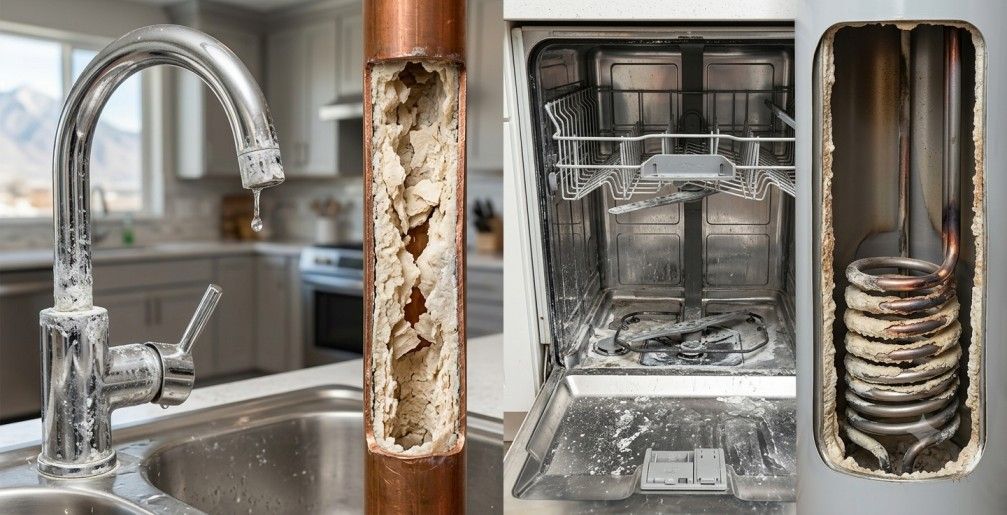
Have you wondered where the minerals go when you heat hard water? They remain behind and stick to nearby surfaces, which continue to grow, forming a hard white or chalky layer. This is known as scale.
The effects of
scale buildup in Utah homes become noticeable as time passes. Pipes become narrower and reduce water flow. This results in blockages that decrease water pressure and increase the risk of pipe bursts.
Ignoring scale for a long time can damage your fixtures. Mineral deposits need immediate treatment to ensure the longevity of the appliances, so calling
water softener services in Lehi, Utah,
can be an effective solution.
Effects of Hard Water On Your Plumbing
Plumbing systems operate incessantly to supply water throughout your home. But the presence of minerals in the water can pose a threat to the system.
Water flow can be reduced due to the scale buildup inside the pipes. This lowers water pressure in showers and sinks. Mineral buildup can even cause clogs. In such a case, you
need to call a professional.
You may notice your other plumbing fixtures wearing out quickly. It is because of the scale that is putting additional stress on the moving parts. Regular maintenance can help to some extent, but you have to find the source of the problem to get a long-term solution.
Effects of Hard Water on Water Heater
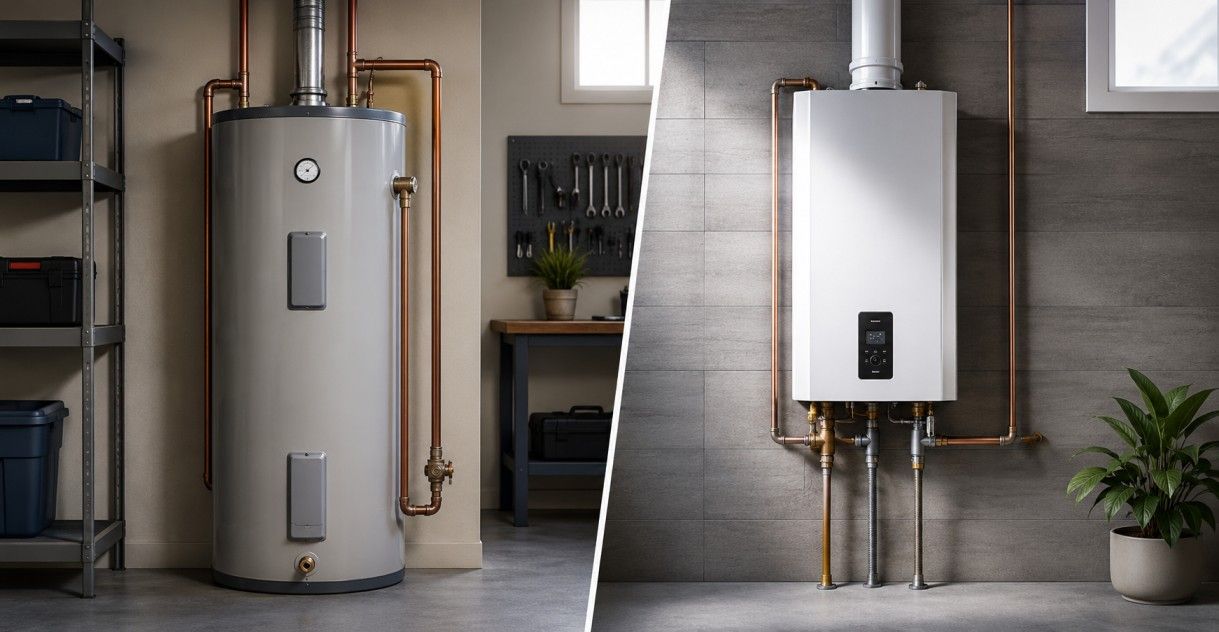
Do you know which appliance is most affected by hard water? Water heaters. When you heat the water, the minerals settle down or get attached to the heating elements, which then act as insulation and force the heater to use additional energy to warm the water.
As a result,
scale buildup in Utah homes creates the following issues:
- Reduced water heater efficiency
- Increased utility bills
- Shortened equipment life
- Costly repairs or replacement
You can try routine flushing to remove sediments, but that’s a temporary relief. Take steps to prevent the formation of scale.
Impact on Kitchen Appliances
There are many kitchen appliances that depend on water. Your dishwasher can develop mineral deposits inside the spray arms. Don’t forget your coffee maker. It also collects scale that affects heating performance.
If you have an ice maker, there’s a high chance it will produce cloudy ice due to excess minerals. In such cases, all you need to do is perform frequent maintenance.
Hard Water Can Affect Your Daily Routine
Household appliances are also significantly affected by hard water. But the question remains how you will understand the effects. Water containing dissolved minerals makes it difficult for soap and shampoo to rinse away.
There can be problems of skin dryness after bathing. Another reason for your frustration can be the frequent cleaning of your bathroom surfaces because white spots continue to appear on faucets and other fixtures.
Why Water Softeners Make a Difference
Are you wondering how you can protect your plumbing and appliances from hard water? Water softener installation is the right choice as it removes harmful minerals from the water before it passes through your plumbing system.
This unit doesn't allow sediments to settle inside pipes and appliances. So, your appliance performs efficiently, and you can spend less time on cleaning. Homeowners often find this to be the best long-term investment.
Professional Installation Matters
It’s not simple to install a water softener on your own. Professionals understand your home’s water consumption and hardness level, and based on that, they choose the correct system.
Reliable
water softener services in Lehi, Utah, perform accurate installation. In addition to testing your water, they explain maintenance requirements. You don't have to worry about the performance, as they ensure the unit works efficiently from the first day.
Conclusion
Dealing with scale buildup in Utah homes is not only challenging but also time-consuming; hence, we would recommend S&L Plumbing Co. LLC, as their team offers water softener services.
They have the expertise and equipment to solve hard water problems. The professionals at S&L Plumbing Co. LLC complete the installation with care and attention to detail. They address the root cause to fix the issue permanently.
Contact them to schedule your service and enjoy better appliance performance for years.
FAQs
- How will I know if my home has hard water?
Look for common signs of hard water, such as:
- White spots on dishes
- Chalky buildup on faucets
- Dry hair after showering
- Stiff laundry
- Reduced water pressure
These symptoms indicate that there are mineral deposits in the water.
2. Is it possible for hard water to shorten the lifespan of household appliances?
Yes. Sediments can collect inside appliances, which forces them to work harder, and this reduces efficiency and lifespan.
3. If I install a water softener, will it remove all minerals from the water?
Water softeners remove mainly calcium and magnesium. They don't remove every mineral or filter out contaminants.
4. How often do I need to check my water softener system?
Water softeners require periodic salt refills, but it’s better to follow the manufacturer’s maintenance schedule to keep the unit in good working condition.
5. Is it mandatory to hire a professional to install a water softener?
Yes. Professionals test your water quality and recommend the correct system size. They ensure the unit works properly, and their installation prevents future performance issues as well.
Follow our social media pages below:
Need help finding hidden leaks or help with any plumbing issues?
Ready to work with S&L Plumbing Co?
Let's connect! We’re here to help.
Send us a message and we’ll be in touch.
Or give us a call today at (385) 250-8900.
Agency Contact Form
More Plumbing Tips, Tricks & Tools