The Ultimate Guide to Gas Line Safety
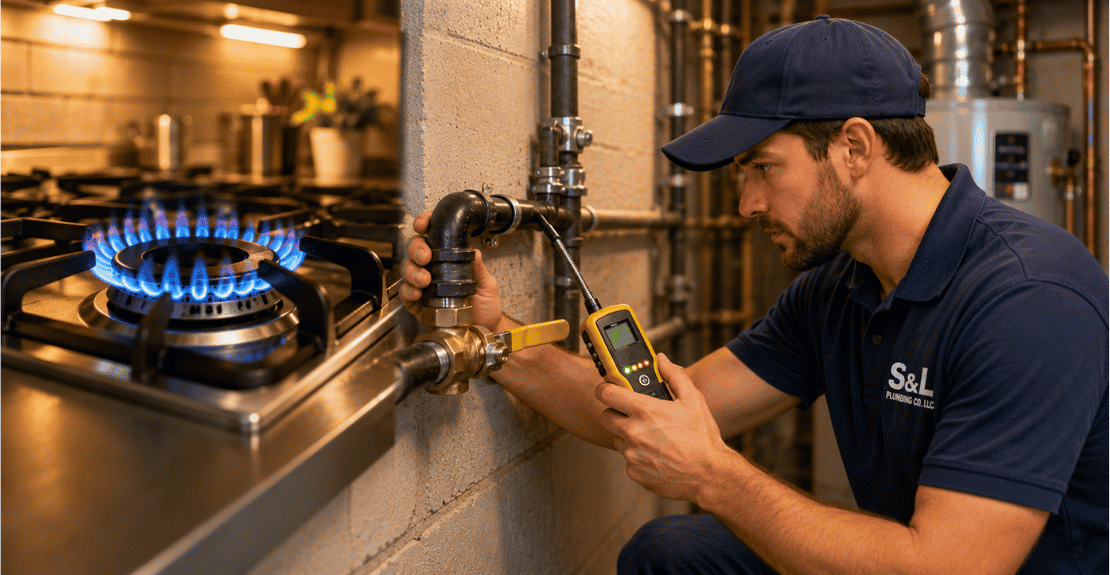
Check your appliances regularly to prevent gas line problems. If you notice worn connections, call a professional immediately for replacement. Also, schedule gas line inspection and maintenance when you see warning signs.
Gas lines are an important part of your home. They power your stove, water heaters, and other appliances. After the installation of gas systems, you must follow safety practices. If preventive measures are not followed properly, you may face serious consequences.
So, you need to understand
gas line safety tips to protect your family from danger. Never ignore minor problems like leaks or damaged pipes. They can quickly become safety hazards.
In this blog, you’ll learn:
- How gas systems work
- What warning signs to watch for
- How to reduce the risk of gas-related issues
Why Gas Line Safety Is Important
Natural gas is very useful and efficient. But you must handle it carefully. A damaged gas line creates many risks, such as:
- Gas leaks
- Fire hazards
- Explosions
- Carbon monoxide exposure
- Appliance malfunctions
Following
gas line safety tips helps you reduce these risks. You can respond quickly if there is a problem. Professional checks keep your gas systems safe.
Common Gas Leak Signs You Should Know
It’s vital to recognize early warning signs. A few leaks are easy to detect. Others grow slowly and are difficult to notice. Common gas leak signs are:
- Smell of a rotten egg or sulfur
- Hissing sounds near gas lines
- Dying vegetation near buried gas pipes
- Bubbling water near outdoor lines
- Unusual increase in gas bills
- Physical symptoms such as headaches or dizziness
When any of these signs appear, don’t take them casually. Contact professionals for inspections.
How to Detect a Gas Leak Safely
You may ask, "What's the process of detecting a gas leak?" Well, it’s crucial to identify the problem before it becomes dangerous. Usually, gas companies add a strong odor to natural gas. This makes it easier to notice leaks. But smell shouldn't be the only way to detect issues.
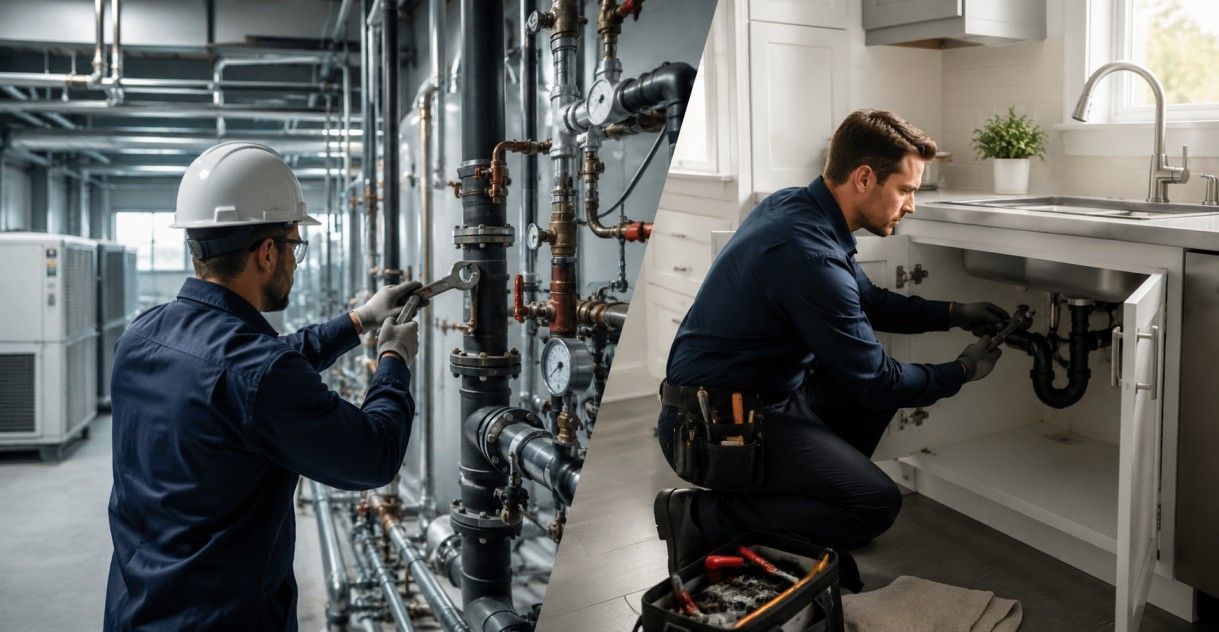
Professionals use electronic gas detectors and pressure testing equipment. They also carry gas monitoring tools. So, hiring trained technicians is important. You should never try to
repair gas line problems on your own. Handling gas systems requires special training and tools.
What to Do If You Suspect a Gas Leak
You must act quickly when gas line issues occur. If you suspect a gas leak, do the following:
- Leave the home immediately
- Avoid using electrical switches or appliances
- Don’t light matches
- Call emergency services
- Schedule an inspection and repairs
These
gas line safety tips minimize the risk of fire or explosion. Also, don’t re-enter your home until professionals confirm it is safe.
Importance of Gas Leak Prevention
Want to avoid dangerous situations? Preventive maintenance is the best way. Effective gas leak prevention includes several steps. Expert technicians perform thorough inspections. They replace aging gas lines if needed.
Experts check for unusual smells and sounds. They also check connectors and valves. These steps identify even small problems.
Why Professional Gas Line Inspection Matters
A gas line inspection locates hidden issues that you may not find. Professionals check the following:
- Gas pressure levels
- Pipe condition
- Appliance connections
- Valve operation
- Ventilation systems
- Leak risks
Older homes require routine inspections due to aging gas pipes. Schedule inspections once or twice a year based on the condition of your system.
Also, technicians have knowledge of local safety codes and proper installation processes. If you attempt a repair without training, you’re placing your home in danger. So, hiring a professional for
gas leak repair in Lehi,UT is the best idea.
Protecting Gas Appliances Inside the Home
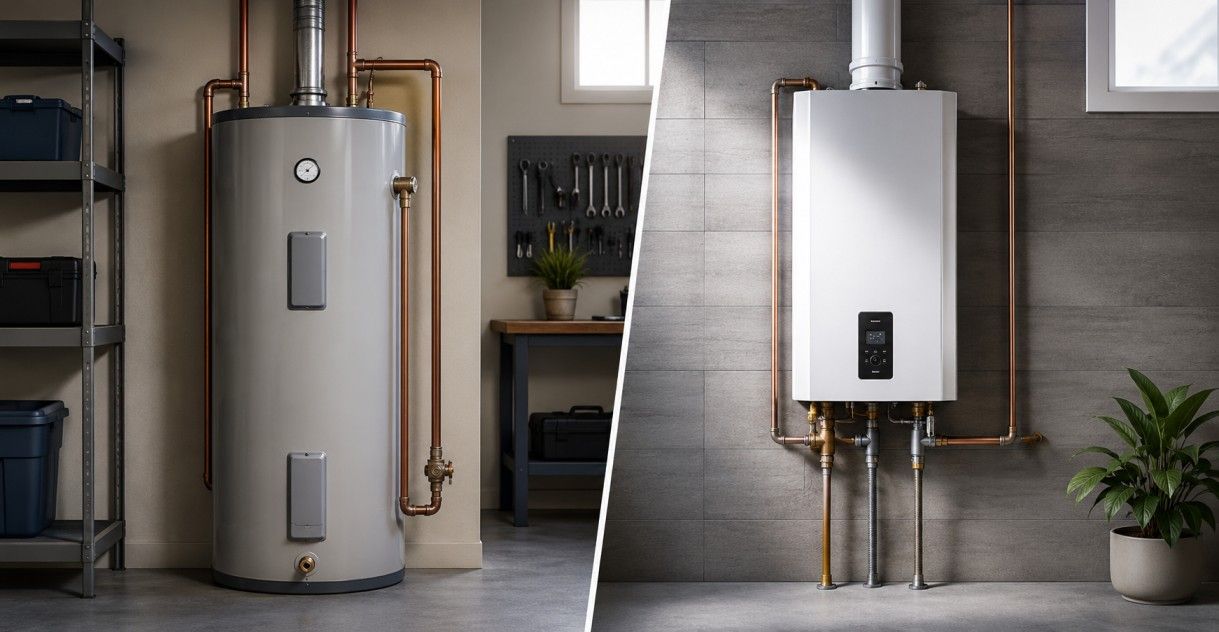
Maintain gas appliances properly for safe operation. You should regularly inspect gas stoves, furnaces, and water heaters. Also, look out for signs such as:
- Weak flames
- Soot buildup
- Pilot light problems
- Strange odors
- Unusual noises
You may notice gas flow or ventilation problems. In such cases, you need professional attention.
Outdoor Gas Line Safety
Thinking that gas safety is only for indoor systems? Outdoor lines also need protection. There are many steps you can take to prevent damage to them.
Avoid digging near marked gas lines. You should not plant large trees around underground piping. Contact utility services to know the location of the underground gas line. This should be done before starting any landscaping work.
It’s obvious that you will not want any accidental line damage. So, follow
gas line safety tips to maintain efficiency.
Long-Term Benefits of Gas Line Maintenance
There are many advantages to the regular upkeep of gas lines. Some of them are:
- Better safety
- Improved appliance efficiency
- Lower risk of emergencies
- Longer lifespan of gas systems
- Lowered repair costs
Want to enjoy peace of mind? Follow proper
gas line safety tips to avoid costly repairs or replacements.
Conclusion
During gas line emergencies, it’s essential to call a professional. But it may be difficult to choose the right company. S&L Plumbing Co. LLC offers trusted gas line services. Their team handles the following:
- Inspections
- Repairs
- Installations
- System upgrades
They focus on long-term safety. Even if you plan to remodel your home, you can call them for new gas connections. The team of
S&L Plumbing Co. LLC follows proper gas line safety tips. They pay careful attention to safety and code compliance.
Contact them if you want safe and efficient gas systems for daily use.
FAQS
- Can changing weather affect my gas line performance?
Yes. High temperatures may affect older gas pipes and connections. Cold weather also causes materials to contract.
2. What to do if my gas appliance produces yellow flames?
A healthy gas flame is blue. If you notice yellow flames, they may indicate:
- Poor combustion
- Dirt buildup
- Ventilation problems
- Improper gas flow
Call a professional for a gas line inspection.
3. Can tree roots damage underground gas lines?
Yes. Large tree roots tend to shift soil. They also put pressure on underground lines. So, proper planning of line location is important.
4. If I renovate my home, will it increase the risk of gas line issues?
In most cases, it may affect your gas lines. Remodeling can lead to accidental damage to gas connections. So, take necessary precautions before starting the project.
5. Do newer appliances offer safer functions than older models?
New models have many updated features. That said, they increase the energy efficiency. But remember, modern systems still require routine maintenance.
Need help finding hidden leaks or help with any plumbing issues?
Ready to work with S&L Plumbing Co?
Let's connect! We’re here to help.
Send us a message and we’ll be in touch.
Or give us a call today at (385) 250-8900.
Agency Contact Form
More Plumbing Tips, Tricks & Tools